
The Myth Of The Perfect Diet
Ever feel like everyone’s trying to sell you the “perfect diet”? Honestly, it’s mostly just a giant money-making scheme. It sticks around because it’s profitable, not because it’s actually true.
The whole idea assumes our bodies are like identical robots that just need the right fuel. But real life isn’t a factory. Your metabolism depends on where you live, your culture, your DNA, the weather, and even your daily habits.
Think of your body as a living, changing ecosystem. How you handle food isn’t just about the food itself—it’s about *you*. Your gut bacteria, your genes, your stress levels, and even how much sleep you get change how your body uses what you eat.
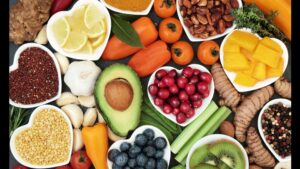
With the internet being everywhere, dietary advice is constant. Most of it sounds super scientific, but it’s often just clever marketing trying to hide the truth: there’s no such thing as a one-size-fits-all “ideal” diet. It’s a business, not a proven fact.
Your body isn’t a basic engine. It’s a super complex system. Your ability to absorb nutrients is way more than just chemistry; it’s a big biological equation involving things like:
Your Gut Microbiome: The specific bacteria in your stomach decide how you process fats and sugar, which affects your energy and health.
Your DNA: Small differences in your genes mean that something healthy for your friend might not be great for you.
Metabolism: Stuff like age and how much muscle you have changes how fast you burn calories.
Lifestyle & Vibes: Stress, sleep, and exercise mess with your hormones, which totally changes how your body reacts to a meal.
Science is finally starting to get this. Studies show that if two people eat the same meal, their bodies react in totally different ways. Chasing one “perfect” food formula ignores thousands of years of evolution and the reality that everyone is different.
This search for the “best” diet feels good because it promises an easy answer, and that’s where the industry steps in.
Super expensive “clean” or “organic” foods are sold as the only way to be healthy. But a lot of it is just branding. Labels like gluten-free or keto are used to sell stuff as an “upgrade,” even if you don’t actually need it.
The result? We start looking at food as a status symbol rather than just something that nourishes us. Buying expensive produce becomes about looking virtuous instead of actually eating well.
This causes three big problems:
- It makes health too expensive. High prices don’t always mean better health, but they do make healthy living feel like a luxury only rich people can afford.
- It makes us picky. Being obsessed with “perfection” leads to cutting out too many foods. That kind of stress can be worse than just eating normally.
- It makes us think that health can be bought. Instead of focusing on sleep or balance, we’re told only to buy more supplements. It encourages buying better, not living better.
There’s also a weird contradiction. Regular, local foods have kept people healthy for centuries without being “perfect.” Modern brands merely repackage this old wisdom and sell it back to us at a higher price.
Don’t get me wrong—better farming and fewer pesticides are good things. But that’s about the environment, not proof that there’s one magic diet for everyone.
The truth is simple: there’s no perfect diet—just the one that works for you. Your needs change as you grow, work, and live. It’s about what’s sustainable, not what’s “ideal.”
The myth of the perfect diet sticks around because we want easy answers. But in the end, the “perfect diet” doesn’t exist—the business of selling it is what’s really thriving.
So, what should you actually do?
Stop blindly following generic charts. Instead, pay attention to how your body feels. True health comes from understanding your own needs, not following a trend.
It’s also about *how* you eat. Here are two simple things to remember:
- Eat until you’re satisfied, not stuffed. Stop when you feel full, even if the food is amazing. It helps you listen to your body’s actual signals.
- Keep portions reasonable. It makes it easier to slow down, enjoy your food, and actually notice when you’ve had enough.
- Eat real food. Stick to things that grow on plants rather than things made in a factory.
Basically, food should be a conversation between you and your body, not a debate led by marketers.
The best diet isn’t something you find online—it’s something you figure out for yourself.
Eat well, feel great.
 Author: Ranjan “Jim” Chadha – a peripatetic mind, forever wandering the digital universe, in search & appreciation of peace, freedom, and happiness. So tune in, and turn on, but don’t drop out just yet!
A single solution for every person doesn’t work